What structural problems can arise from untreated water damage?
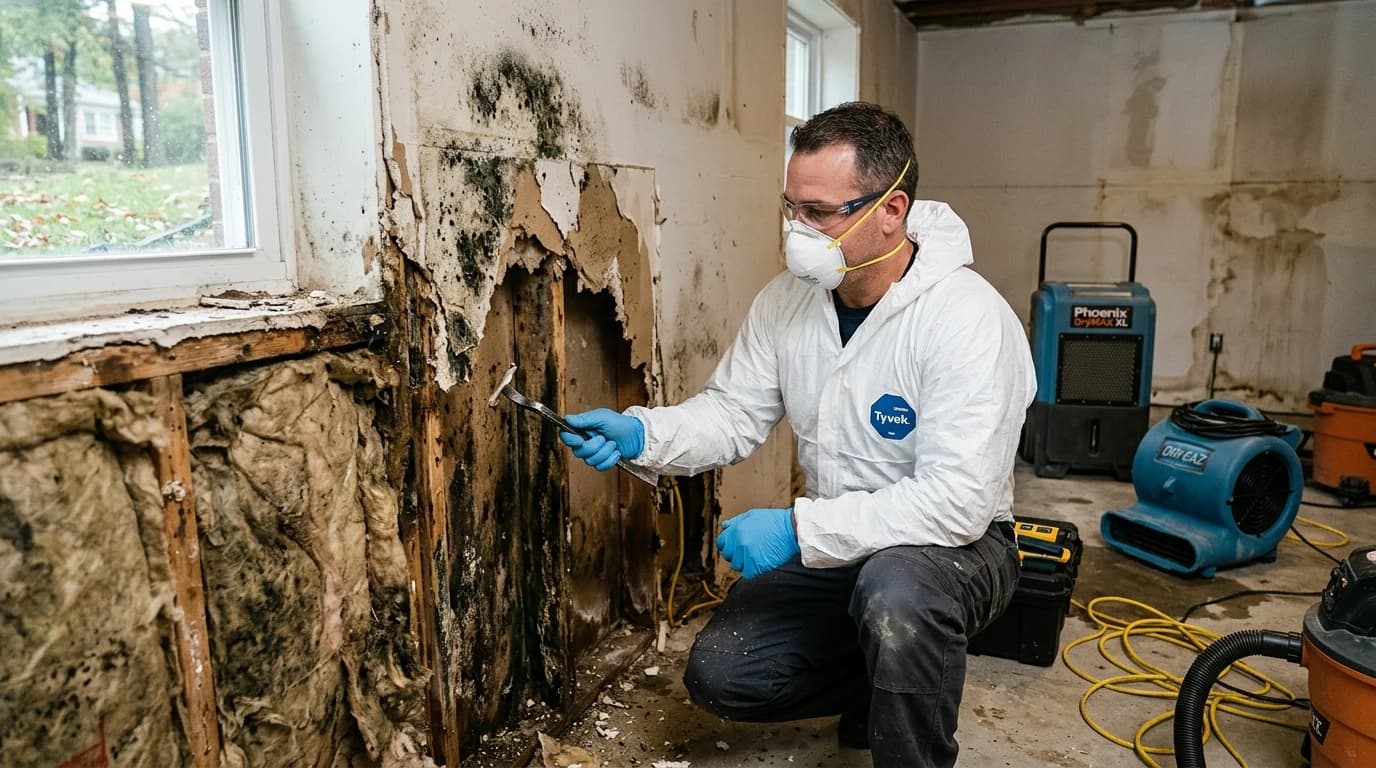
Untreated water damage can severely compromise the structural integrity of your home. Over time, water can weaken the foundation, leading to cracks and instability. This is particularly concerning in areas like Woodcliff Lake, where seasonal changes can exacerbate these issues. Wood components, including beams and support structures, may rot, causing sagging floors or ceilings. Over time, the constant exposure to moisture can cause wooden elements to lose their strength and load-bearing capabilities. In severe cases, this could result in partial or complete structural collapse, posing a significant safety risk to inhabitants. Additionally, water can corrode metal components such as nails, screws, and brackets, further weakening the structure. Bricks and concrete are not immune either; water can seep into these materials, causing them to expand and contract with temperature changes, leading to cracking and spalling. Regular inspection and prompt repair of water damage can prevent these serious issues. Homeowners should look for signs of water damage, such as discoloration, peeling paint, or a musty odor, and address them immediately. Investing in regular maintenance and timely repairs can save thousands of dollars in potential damage costs.
Are there health risks associated with untreated water damage?
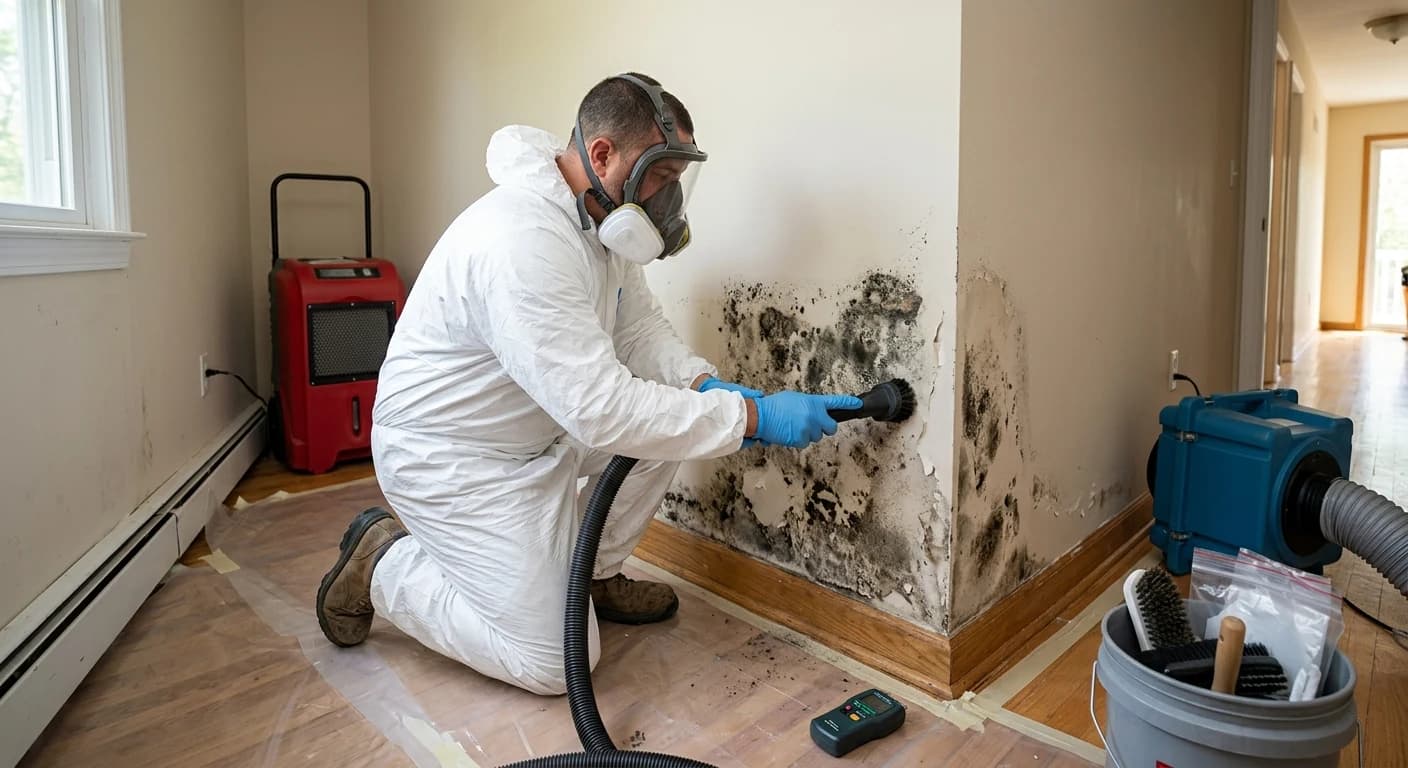
Yes, untreated water damage creates an ideal environment for mold growth, which can pose serious health risks. Mold spores thrive in moist environments and can quickly spread throughout your home, often going unnoticed until they become a significant problem. These spores can trigger respiratory issues, allergies, and other health problems, especially in vulnerable individuals such as children, the elderly, and those with pre-existing respiratory conditions. Symptoms can include coughing, sneezing, skin rashes, and in severe cases, asthma attacks or other respiratory complications. Additionally, standing water can harbor bacteria and pests, further compromising indoor air quality. Bacteria such as E. coli and Salmonella can proliferate in water-damaged areas, increasing the risk of infections. Pests like mosquitoes and rodents are also attracted to standing water, which can introduce additional health hazards into the home. Addressing water damage promptly helps maintain a healthy living environment. Regular cleaning, proper ventilation, and using dehumidifiers can help control moisture levels and reduce the risk of mold and bacteria growth. For persistent issues, professional mold remediation may be necessary to ensure your home remains safe and healthy.
How can you prevent the consequences of untreated water damage?
Preventive measures are essential to mitigate the risks of untreated water damage. Regularly inspect areas prone to moisture, such as basements, attics, and bathrooms, for signs of leaks or standing water. Look for water stains on ceilings and walls, and check for any soft spots in floors or walls that could indicate hidden damage. Ensure your home has proper ventilation to reduce humidity levels. This can be achieved by using exhaust fans in bathrooms and kitchens, opening windows when weather permits, and employing dehumidifiers in damp areas. Installing a sump pump in basements can help prevent flooding by automatically removing accumulated water. Similarly, maintaining a robust drainage system ensures that water is directed away from your home’s foundation. Clear gutters regularly to prevent blockages that can lead to water overflow and potential damage. For professional assistance, consider contacting a water damage specialist in Woodcliff Lake for a comprehensive assessment and tailored solutions. They can identify potential problem areas and provide expert guidance on repairs and prevention strategies. Additionally, investing in water leak detection systems can provide early warnings of leaks, allowing you to address issues before they escalate. By taking these proactive steps, you can protect your home from the costly and health-threatening effects of water damage.
What are the financial implications of ignoring water damage?
Ignoring water damage can lead to significant financial burdens that extend beyond immediate repair costs. Initially, you might save money by not addressing minor leaks or damp areas, but over time, these small issues can escalate into more severe problems requiring extensive repairs. The cost of fixing structural damage, such as weakened foundations or rotting wood, can be exorbitant. Additionally, untreated water damage often leads to mold growth, which requires professional remediation services that can be costly. Mold not only affects the physical structure but can also damage personal belongings, leading to further financial loss. Insurance premiums may also increase if water damage claims are made, as insurers often view these as preventable issues. In some cases, insurance policies may not cover damages resulting from negligence, leaving homeowners to bear the full cost of repairs. Furthermore, if you plan to sell your home, untreated water damage can significantly decrease its market value. Potential buyers are likely to be deterred by the prospect of costly repairs, and you may be forced to lower your asking price. To avoid these financial pitfalls, it's crucial to address water damage promptly and invest in preventive measures. Regular maintenance and timely repairs can save substantial amounts in the long run.
What role does professional restoration play in addressing water damage?
Professional restoration services play a critical role in effectively addressing water damage and preventing its long-term consequences. Experts in water damage restoration possess the necessary tools and expertise to accurately assess the extent of damage, which might not be visible to the untrained eye. They utilize advanced equipment such as moisture detectors, infrared cameras, and industrial-grade dehumidifiers to thoroughly dry affected areas, ensuring no residual moisture remains that could lead to mold growth. Restoration professionals also have the skills to repair and restore damaged structures, from replacing drywall and flooring to reinforcing compromised beams. They can identify and rectify the source of water intrusion, whether it's a leaking roof, faulty plumbing, or poor drainage, preventing future occurrences. Additionally, professional services often include comprehensive cleaning and sanitization to eliminate bacteria and other contaminants that thrive in damp environments. This step is crucial in restoring a safe and healthy living space. For residents of NJ, including areas like Woodcliff Lake, hiring local professionals ensures compliance with state regulations and building codes, providing peace of mind that the restoration is both effective and legal. By investing in professional restoration, homeowners can safeguard their property, health, and finances from the adverse effects of untreated water damage.
How does untreated water damage affect indoor air quality?
Untreated water damage can have a profound impact on indoor air quality, posing risks that are often underestimated. When water seeps into walls, floors, or ceilings, it creates an environment conducive to mold growth. Mold releases spores into the air, which can circulate throughout the home, degrading air quality and posing health risks. These spores are particularly concerning for individuals with allergies or asthma, as they can trigger respiratory symptoms such as coughing, wheezing, and shortness of breath. In addition to mold, standing water can lead to the proliferation of bacteria and other microorganisms that contribute to poor air quality. Water-damaged areas can also emit musty odors, which are not only unpleasant but can also indicate the presence of volatile organic compounds (VOCs) released by mold and bacteria. To mitigate these issues, it is crucial to address water damage promptly. This includes thoroughly drying affected areas, removing and replacing damaged materials, and using air purifiers equipped with HEPA filters to capture airborne particles. Regular maintenance, such as checking for leaks and ensuring proper ventilation, can prevent water damage and maintain a healthy indoor environment. By taking these steps, homeowners can protect their families from the adverse effects of poor air quality resulting from untreated water damage.
What are the environmental impacts of untreated water damage?
Untreated water damage can have significant environmental impacts, often overlooked by homeowners focused on immediate structural or financial concerns. When water damage is left unaddressed, it can lead to increased energy consumption. Damp environments require more energy for heating and cooling, as moisture in the air affects temperature regulation. This not only increases utility bills but also contributes to a larger carbon footprint. Additionally, the materials used in repairs and renovations, such as drywall, insulation, and wood, often end up in landfills, contributing to environmental waste. Frequent replacements due to ongoing damage exacerbate this issue. Moreover, untreated water damage can lead to water contamination. If water seeps into the ground, it can carry pollutants from building materials and household chemicals into the local water supply, affecting ecosystems and potentially harming wildlife. For residents in areas like NJ, where preserving natural resources is crucial, this is a significant concern. To minimize these environmental impacts, homeowners should prioritize early detection and repair of water damage. Implementing sustainable practices, such as using eco-friendly materials and energy-efficient appliances, can also reduce the environmental footprint. By addressing water damage promptly and responsibly, homeowners can contribute to a healthier planet while protecting their homes.